I bought my copy of John Williams’s Stoner for R40 at a secondhand shop, the kind of place where the fiction is alphabetized by nobody’s system and the light comes in sideways through a window nobody has washed since the nineties. Somebody had owned it before me and had refused to stay quiet about it. Pencil, small upright hand, no name anywhere in the book. Next to the line where the marriage curdles, one word: “yes.” Under a paragraph about a lecture, two firm strokes and “he is happy here and he doesn’t know it.” Beside Stoner’s thought that he had no gift for teaching, the word “rubbish,” underlined twice. Whoever wrote that had, I hope, been taught by somebody like him.
I read it in two evenings with a pencil of my own and found myself answering the pencil in the margin. “You were right about the lecture,” I wrote, which is an odd thing to say to a stranger who cannot hear you. By the last page the book had two readers in it, one of them me, and it felt like the truest thing on my shelf. A clean copy would have been worth R40. This one was worth the walk.
The stranger who got there first
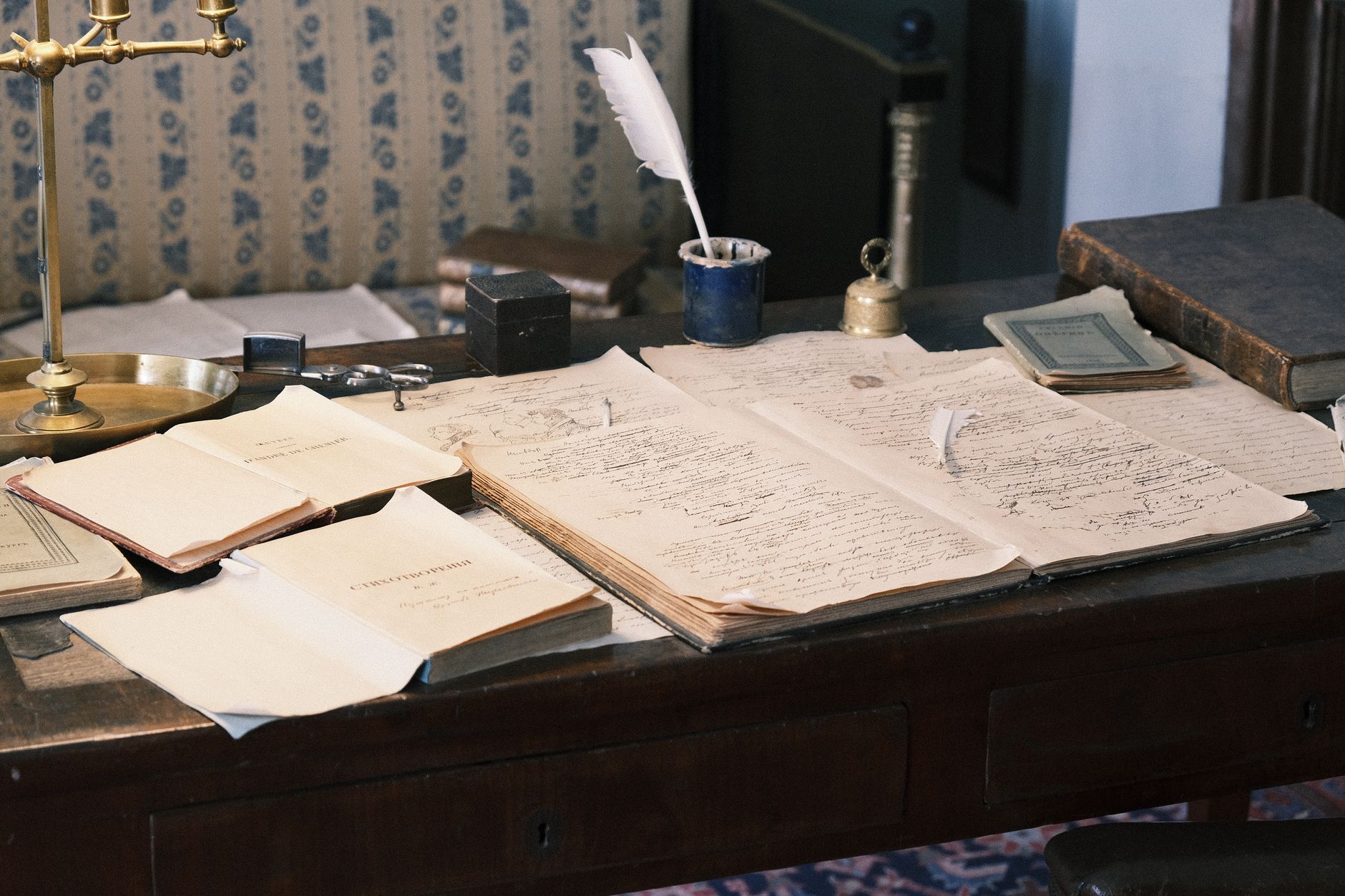
I have been buying books partly for their margins ever since. A plain novel with an argument running down the side of it is a novel with a story inside the story, and you get the whole thing for the price of the paperback. In a shop in Grahamstown I found a 1960s Everyman edition of Middlemarch where the previous owner had dated each reading: “March ’74, again,” “July ’79, this chapter is why,” “Jan ’83, I have changed my mind about Casaubon.” Three readings, nine years, one sentence of gossip about a fictional husband. I have never met that reader and I know her better than I know some of my relatives.
This is far older than the secondhand shop. An exhibition at Bryn Mawr’s library a few years back turned up a Latin grammar copied by an unknown scribe in Florence in 1474, its endpages covered with readers writing “finis” in Latin and “telos” in Greek the moment they survived it. Half a millennium later the relief still reads perfectly. A librarian at the University of Tennessee cataloguing a 1678 printing of Paradise Lost found the owner had built his own index to the poem and crammed it onto the endpapers, neatly and tightly, because the book had been printed without one. Readers have always finished the book themselves.
Poe named it, Coleridge made a life of it
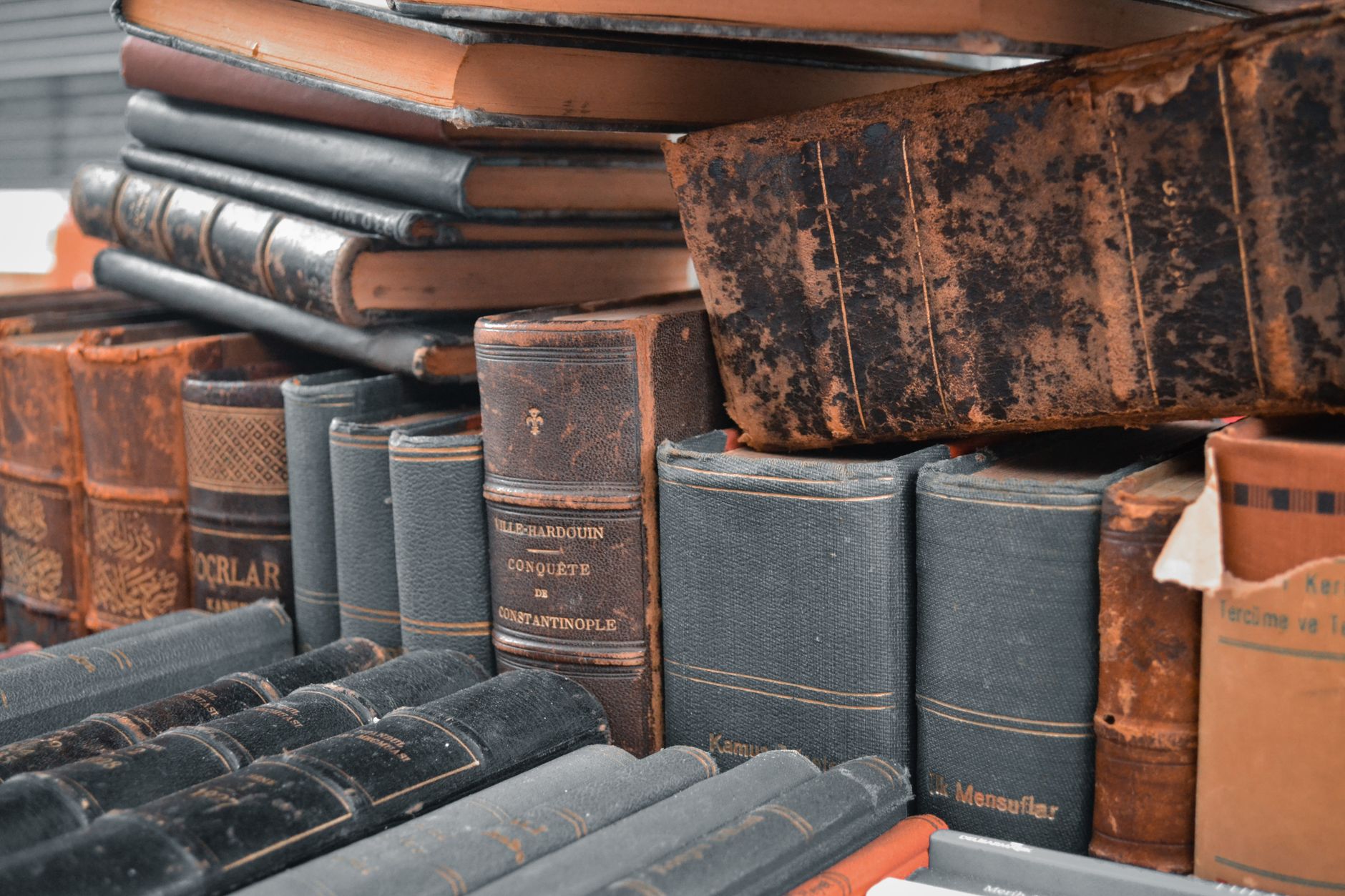
The habit has a word now: marginalia, from the Latin for the things that live in the margin. Edgar Allan Poe coined it in print and knew exactly what he was doing. The first instalment of his “Marginalia” series appeared in the United States Magazine and Democratic Review in November 1844, and he kept adding to it in Godey’s and Graham’s and the Southern Literary Messenger until 1849, the year he died. He even set the word in italics to show it was his. He meant the loose, talk-back kind of reading note, the sort you write when a sentence catches you sideways.
The most famous margin-writer in English is Samuel Taylor Coleridge, who annotated whatever was in front of him at such length that scholars eventually gathered over eight thousand of his notes into six volumes from Princeton University Press. Eight thousand notes. Some are a single word. Some run to essays. The edition’s introduction says there is no body of marginalia in any language comparable to his for range and depth of reaction, and having dipped into it at a university library, I believe the man wrote more in other people’s books than he finished in his own. He is the reason I stopped apologizing for the pencil.
My pencil rules
I do have rules, because a margin is a shared space and the book outlives you.
Pencil, always. Ink is a commitment, and some pages deserve to be argued with twice, differently, years apart. Never in a library book. Never in a book I have borrowed, unless the owner writes in books too, which I check before lending. Dates beside the notes, always, because the thing I most want from my old books is a record of when I thought what. And my name and the year in the back cover when the book has already been owned by someone else, so the chain of custody stays legible.
What I write has drifted over the years. In my twenties the margins were full of “yes” and “exactly” and other forms of applause. Then came a long stretch of “no,” and “this is doing something,” and questions I still haven’t answered. These days I mostly write down where I was. “Reading this in the queue at the clinic,” beside a paragraph of Marilynne Robinson. “Three load-shedding hours by candle,” beside a chapter of Dickens that moved more slowly than usual. The argument matters less to me now than the record of the afternoon. A margin is the only diary I have ever kept without noticing.
The habit costs me something. Annotated books are hard to lend and impossible to sell back at any price, and there are a few volumes on my shelf I can never give away because they contain more of me than I would hand to a stranger. But the annotated copies are the ones my friends ask for. The Stoner with two readers in it has been to four houses and come home four times, and one of those times it came back with a third hand in the margins, small print, entirely legible: “I don’t agree about the daughter.” Which was, I thought, the correct opinion.
So I keep writing in books, and I keep handing those books on, and one day somebody in a shop in another town will open one of them for R40 and find a dated conversation between strangers. I hope they add to it. The best thing a margin can do is run out of room while the reader is still going.